
Food
Cobia Fish Guide: Habitat, Fishing & Culinary Secrets

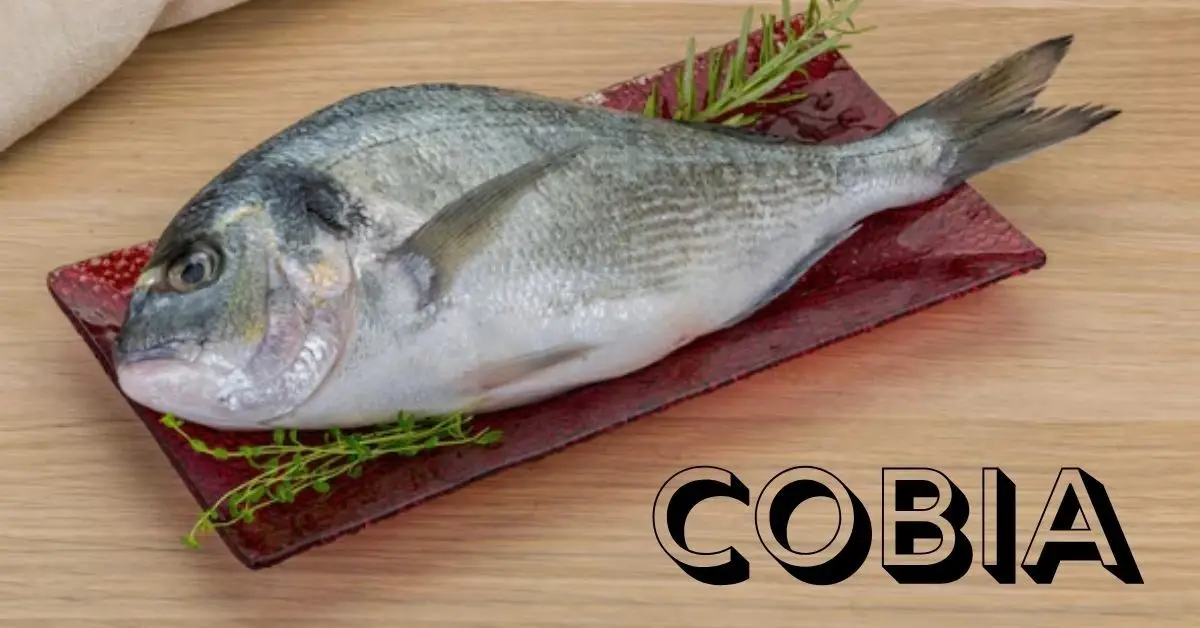
The ocean is home to countless fascinating marine species, but few are as intriguing and versatile as the cobia fish. Known for its strength, rapid growth, and exceptional taste, this species has captured the attention of anglers, chefs, and marine biologists alike. The cobia stands out not only for its impressive size but also for its adaptability across different marine environments. In many coastal regions, it is considered both a prized game fish and a valuable food source. Understanding this species opens a window into marine ecosystems, fishing traditions, and sustainable seafood practices. As we explore its biology, habitat, and human interactions, you will discover why this remarkable fish continues to gain global attention.
Cobia Biology and Distribution
The cobia fish, scientifically known as Rachycentron canadum, is a unique marine species that belongs to its own family, Rachycentridae. Unlike many other game fish, cobia do not belong to large schooling families, which makes them more elusive and individually challenging to study in the wild. They are widely distributed across warm and temperate waters, including the Atlantic Ocean, Gulf of Mexico, and parts of the Indo-Pacific region.
Cobia are known for their elongated bodies and dark brown coloration, often accompanied by lighter lateral stripes. These markings can sometimes fade depending on mood or environmental conditions. Their biology is particularly interesting because they exhibit both pelagic and coastal behaviors, meaning they move between open ocean waters and nearshore environments with ease. This adaptability allows cobia populations to thrive in diverse ecosystems.
In terms of growth, cobia are among the fastest-growing marine fish species. They can reach lengths of over 6 feet and weigh more than 100 pounds under optimal conditions. This rapid growth contributes to their popularity in aquaculture and commercial fisheries. Their diet mainly consists of crustaceans, squid, and smaller fish, making them opportunistic predators in their natural habitat.
The distribution of cobia is also influenced by seasonal migrations. During warmer months, they tend to move toward shallow coastal waters, estuaries, and reefs. In colder seasons, they migrate to deeper offshore regions. This movement pattern is closely tied to water temperature and food availability, both of which play a crucial role in their survival and reproduction.
Will You Check This Article: Carolyn Chambers: Life, Influence, Legacy & Personal Journey
Physical Characteristics and Identification
Cobia are easily recognizable once you understand their defining physical traits. Their long, streamlined bodies are designed for speed and endurance, making them efficient hunters in open water. One of the most notable features is their broad, flattened head, which gives them a slightly shark-like appearance.
Their skin is smooth and lacks the prominent scales found in many other fish species. Instead, they have small embedded scales that contribute to their sleek texture. The coloration of cobia varies from dark brown to bronze, often with a distinctive horizontal stripe running along their sides. This stripe may become more pronounced when the fish is stressed or excited.
Another identifying characteristic is their dorsal fin structure. Cobia possess a long, continuous dorsal fin that runs almost the entire length of their back. This fin provides stability and agility, especially when making quick directional changes while hunting prey. Their pectoral fins are also large and fan-like, helping them maintain balance in strong currents.
Juvenile cobia are often mistaken for remoras due to their similar appearance and behavior. However, cobia lack the suction disc found on remoras and instead rely on their swimming ability to navigate their environment. As they mature, their size difference becomes more apparent, making identification easier for experienced anglers and marine biologists.
Understanding these physical traits is essential not only for identification but also for studying their behavior in the wild. Their anatomy reflects a highly evolved predator adapted to both coastal and offshore ecosystems.
Habitat Preferences and Migration Patterns
Cobia thrive in warm marine environments where water temperatures remain stable throughout the year. They are commonly found in coastal waters, around reefs, wrecks, buoys, and offshore structures. These environments provide shelter, feeding opportunities, and protection from larger predators.
One of the most interesting aspects of cobia behavior is their migratory nature. They do not remain in a single location for extended periods. Instead, they move seasonally based on temperature changes and prey availability. During spring and summer, cobia are frequently spotted in shallow waters, where they follow baitfish and other food sources.
In contrast, during colder months, cobia migrate to deeper offshore waters where temperatures are more stable. This seasonal movement is essential for their survival, as it allows them to maintain access to suitable living conditions throughout the year. Their ability to adapt to different depths also makes them a challenging target for anglers.
Cobia are often associated with large marine animals such as sharks, rays, and turtles. This relationship is not parasitic but rather opportunistic, as cobia use these larger creatures for protection and increased feeding opportunities. They are known to follow these animals closely, taking advantage of disturbed prey in their wake.
Their habitat preferences also make them highly sensitive to environmental changes. Factors such as water pollution, overfishing, and climate change can significantly impact cobia populations. As a result, conservation efforts are increasingly important to ensure their long-term survival in natural ecosystems.
Feeding Behavior and Predatory Role
Cobia are opportunistic carnivores with a highly adaptable feeding strategy. Their diet primarily consists of crustaceans, squid, and small fish, but they are known to consume a wide variety of marine organisms depending on availability. This flexibility allows them to thrive in different environments and maintain stable populations.
As predators, cobia rely on both speed and stealth to capture prey. They often hunt alone or in small groups, using their keen senses to detect movement in the water. Their strong jaws and sharp teeth enable them to quickly subdue prey, making them efficient hunters in both coastal and offshore waters.
One fascinating aspect of cobia feeding behavior is their association with larger marine animals. They are frequently observed following sharks, rays, and even large turtles. This behavior allows them to feed on scraps or disturbed prey, increasing their chances of survival with minimal energy expenditure.
Cobia also play an important role in maintaining ecological balance. By controlling populations of smaller fish and invertebrates, they help prevent overpopulation and support healthy marine ecosystems. Their predatory role is essential in maintaining the food chain dynamics in their habitats.
Their feeding habits also make them highly sought after in sport fishing. Anglers often target cobia due to their strong resistance and unpredictable behavior during capture. This combination of intelligence and strength makes them one of the most exciting game fish in the ocean.
Cobia Fishing Techniques and Sport Angling
Catching cobia is considered a rewarding challenge among sport anglers due to their strength and unpredictable movements. They are often targeted using a variety of fishing techniques, including trolling, jigging, and sight fishing. Each method requires skill, patience, and knowledge of cobia behavior.
Sight fishing is one of the most popular techniques, especially in shallow waters. Anglers scan the surface for signs of cobia swimming near structures or following larger marine animals. Once spotted, precise casting is required to successfully hook the fish.
Trolling is another effective method, particularly in offshore environments. This technique involves dragging bait or lures behind a moving boat to attract cobia. Artificial lures that mimic squid or small fish are commonly used to increase success rates.
Jigging is often used in deeper waters where cobia tend to gather around wrecks and reefs. This method involves dropping weighted lures to various depths and rapidly retrieving them to simulate injured prey. The sudden movement often triggers aggressive strikes from cobia.
Due to their size and strength, landing a cobia requires durable fishing gear and strong leadership skills from the angler. Many fishing enthusiasts consider catching cobia a milestone achievement in their fishing journey.
Culinary Value and Nutritional Benefits
Cobia is highly regarded in culinary circles for its mild flavor and firm texture. Its meat is often compared to popular fish such as mahi-mahi and tuna, making it a versatile ingredient in various cuisines. Chefs appreciate its ability to hold shape during cooking, making it suitable for grilling, baking, and frying.
One of the key nutritional benefits of cobia is its high protein content. It is also rich in omega-3 fatty acids, which are essential for heart health and brain function. Additionally, cobia contains important vitamins and minerals such as vitamin D, selenium, and potassium.
The flavor profile of cobia is clean and slightly sweet, with minimal fishy taste. This makes it appealing to a wide range of consumers, including those who are typically hesitant to eat seafood. It pairs well with citrus-based marinades, herbs, and light sauces.
In many coastal regions, cobia is considered a premium seafood option. Its demand has increased in both local markets and international exports due to its culinary versatility and nutritional value. Sustainable farming practices have also contributed to its growing popularity.
Overall, cobia offers both health benefits and culinary satisfaction, making it a valuable addition to global seafood cuisine.
Aquaculture and Sustainable Farming of Cobia
Aquaculture has become increasingly important in meeting the global demand for cobia while reducing pressure on wild populations. Cobia farming is particularly attractive due to their rapid growth rate and adaptability to controlled environments.
In aquaculture systems, cobia are typically raised in offshore cages or land-based tanks. These systems are designed to replicate natural conditions while allowing for efficient feeding and monitoring. Their fast growth cycle makes them a cost-effective choice for commercial farming.
Sustainability is a key focus in cobia aquaculture. Farmers aim to reduce environmental impact by using eco-friendly feed, minimizing waste, and preventing disease outbreaks. Advances in marine biotechnology have further improved breeding techniques and survival rates.
However, challenges remain, including maintaining water quality and preventing escapes into wild ecosystems. Responsible management practices are essential to ensure that cobia farming does not negatively affect marine biodiversity.
Despite these challenges, cobia aquaculture continues to expand globally, offering a sustainable alternative to wild fishing while supporting seafood demand.
Conclusion
The cobia is truly one of the ocean’s most remarkable species, combining strength, adaptability, and ecological importance. From its unique biology and migratory patterns to its role in sport fishing and culinary cuisine, this fish continues to captivate people around the world. Understanding cobia helps us appreciate the delicate balance of marine ecosystems and the importance of sustainable practices. Whether viewed as a prized catch or a valuable food source, cobia represents a perfect blend of nature’s power and versatility. As awareness grows, the future of cobia conservation and sustainable utilization becomes increasingly vital for maintaining healthy oceans.
Read More: Lumerink.com

In today’s rapidly evolving digital landscape, new ideas and abstract concepts often emerge that challenge how we understand technology, communication, and culture. One such intriguing term is çbiri, which has started gaining attention in niche discussions about digital systems and conceptual frameworks. While its meaning is still fluid, it represents a broader shift toward hybrid thinking in modern innovation. The term is increasingly associated with adaptive intelligence, symbolic interpretation, and layered information structures.
What makes çbiri especially fascinating is not just its ambiguity, but its ability to connect multiple disciplines under a single conceptual umbrella. From linguistic theory to technological design, it acts as a bridge between structured logic and human intuition. As we explore its layers, we begin to see how such emerging ideas shape the way we interpret data, identity, and interaction in an interconnected world.
Origins and Meaning of çbiri
The origins of çbiri are not tied to a single documented source, which makes it an open-ended concept rather than a fixed definition. In early discussions within digital philosophy circles, it was used to describe a transitional idea—something between structured code and human interpretation. This ambiguity allowed it to evolve organically, adapting to different contexts without losing its core flexibility.
At its foundation, çbiri is often interpreted as a symbolic construct representing fluid meaning. It does not belong strictly to linguistics, computing, or sociology, but instead overlaps all three. This interdisciplinary nature makes it particularly relevant in environments where boundaries between human cognition and machine logic are increasingly blurred. Over time, thinkers have used çbiri to describe systems that resist rigid categorization.
Another layer of meaning suggests that çbiri reflects transformation itself. Rather than being a static concept, it represents ongoing change and reinterpretation. This makes it valuable in discussions about adaptive systems, where outputs are not fixed but continuously reshaped by input data and contextual influence.
In philosophical terms, çbiri can be seen as a mirror of uncertainty in modern knowledge systems. It highlights how meaning is no longer absolute but constructed dynamically. This perspective has made it a point of interest among researchers exploring post-structural digital theory.
Ultimately, the origins of çbiri remain intentionally abstract, allowing it to function as a flexible intellectual tool. Its lack of rigid definition is what gives it depth and adaptability across multiple domains.
Will You Check This Article: Trump Dementia Debate: Facts, Claims and Public Impact
Evolution in Digital Culture
As digital culture expanded, so did the interpretative space around çbiri. Early adopters in online forums began using the term to describe hybrid interactions between users and algorithms. It became shorthand for processes that were neither fully human-driven nor entirely machine-executed, but a blend of both.
In social media environments, çbiri evolved into a metaphor for identity fluidity. Users started associating it with the shifting nature of online personas, where context changes how individuals present themselves. This usage helped cement its relevance in discussions about digital identity construction.
Over time, creative communities adopted çbiri as a conceptual tool for experimentation. Artists and developers used it to describe works that combined generative systems with human creativity. In this sense, it became a cultural marker for co-creation between humans and machines.
The evolution of çbiri also reflects broader changes in how society understands information. Instead of static consumption, users now engage in continuous reinterpretation. This aligns closely with how çbiri operates as a concept—fluid, adaptive, and context-sensitive.
Today, çbiri continues to evolve alongside emerging technologies, especially in AI-driven environments where meaning is constantly reshaped by data input and algorithmic processing.
çbiri in Modern Technology Frameworks
In modern technological ecosystems, çbiri is often referenced as a conceptual model for adaptive systems. It describes frameworks where outputs are not strictly predefined but evolve based on real-time interactions. This is particularly relevant in artificial intelligence and machine learning environments.
Developers sometimes use çbiri as a metaphor when discussing dynamic architectures. Instead of rigid pipelines, systems inspired by çbiri-like principles emphasize flexibility and responsiveness. This allows software to adjust more naturally to unpredictable inputs.
Within cloud computing and distributed networks, çbiri represents decentralized intelligence. It highlights how multiple nodes can contribute to a shared outcome without a single controlling authority. This mirrors the way modern systems rely on interconnected data flows.
Another interpretation connects çbiri to human-computer interaction design. Interfaces inspired by this concept prioritize adaptability, learning from user behavior and adjusting accordingly. This creates a more intuitive and personalized digital experience.
In essence, çbiri in technology frameworks is less about a specific tool and more about a philosophy of design. It encourages systems that evolve, learn, and reinterpret themselves continuously.
Linguistic and Semantic Interpretations
From a linguistic perspective, çbiri presents a fascinating case study in semantic ambiguity. It does not conform to traditional etymological rules, yet it carries meaning through contextual use. This makes it an example of emergent language formation in digital spaces.
Semantic analysts often view çbiri as a “floating signifier,” meaning its interpretation depends entirely on context. This allows it to adapt across different conversations without losing relevance. Such flexibility is rare in conventional language structures.
In computational linguistics, çbiri can be used to illustrate how meaning is generated through association rather than fixed definitions. Natural language processing systems often encounter similar challenges when interpreting ambiguous terms.
The term also highlights how modern communication relies heavily on shared understanding rather than strict definitions. Users assign meaning dynamically, which reflects broader trends in internet-based language evolution.
Ultimately, çbiri demonstrates how language itself is becoming more adaptive, mirroring the fluid nature of digital interaction.
Practical Applications Across Industries
In practical terms, çbiri is increasingly used as a conceptual framework across various industries. In software development, it helps describe adaptive systems that learn from user behavior and adjust functionality accordingly.
In the creative industry, çbiri is associated with generative art and AI-assisted design. Artists use it to explore the intersection between human intention and algorithmic output. This leads to innovative forms of expression that were not possible in traditional media.
Business analytics also finds relevance in çbiri-like thinking. Companies use adaptive models that continuously refine predictions based on incoming data streams. This reflects the core idea of dynamic interpretation embedded in the concept.
Education technology platforms apply similar principles by personalizing learning experiences. Systems adjust content delivery based on student performance, aligning with the flexible nature of çbiri-inspired models.
Across industries, the underlying value of çbiri lies in its adaptability and responsiveness to change.
Challenges and Misconceptions
Despite its growing popularity, çbiri is often misunderstood. One common misconception is that it refers to a specific technology or tool. In reality, it is a conceptual framework rather than a tangible product.
Another challenge lies in its ambiguity. Because çbiri lacks a fixed definition, it can be interpreted in multiple ways, leading to confusion in technical discussions. This flexibility, while powerful, can also create miscommunication.
Some critics argue that the term is too abstract to be practically useful. However, supporters counter that its strength lies precisely in its openness, allowing it to adapt across disciplines.
There is also the risk of overuse, where çbiri becomes a buzzword rather than a meaningful concept. This dilutes its original philosophical depth and reduces it to vague jargon.
Understanding çbiri requires embracing uncertainty rather than resisting it, which can be challenging in structured environments.
Future Prospects of çbiri
The future of çbiri appears closely tied to advancements in artificial intelligence and adaptive systems. As technology becomes more autonomous, the need for flexible conceptual frameworks will increase.
Researchers are exploring how çbiri-like models can improve human-AI collaboration. By embracing ambiguity and contextual learning, systems may become more intuitive and aligned with human behavior.
In digital philosophy, çbiri is expected to play a role in discussions about post-human interaction models. These models explore how meaning is constructed when human and machine cognition merge.
There is also potential for çbiri to influence creative industries further, especially in generative design and immersive media experiences. Its adaptability makes it suitable for evolving digital ecosystems.
Overall, the concept is likely to expand as a symbolic representation of fluid intelligence in future technologies.
Conclusion
çbiri stands as a unique and evolving concept that reflects the complexity of modern digital thought. Its lack of rigid definition allows it to function as a bridge between technology, language, and human interpretation. Across different fields, it continues to inspire discussions about adaptability, meaning, and transformation. As systems become more intelligent and interconnected, çbiri will likely remain a useful lens for understanding change. Ultimately, it represents not just a concept, but a way of thinking about uncertainty and evolution in the digital age.
Read More: Dollartimes.co.uk

Cooking with vegetables often brings out the most comforting and nourishing flavors, and few ingredients are as underrated as the humble leek. Belonging to the same family as onions and garlic, leeks offer a mild, sweet, and slightly earthy taste that enhances countless dishes without overpowering them. From soups and stews to pasta and baked meals, they add depth, aroma, and nutrition in a very simple way. Exploring leek recipes opens the door to versatile cooking that works for both everyday meals and special occasions. Whether you are a beginner in the kitchen or a seasoned cook, leeks can transform ordinary ingredients into something memorable. This guide will take you through a variety of ideas, techniques, and inspirations to help you master cooking with this flavorful vegetable in creative and satisfying ways.
Leek Recipes: Understanding the Flavor and Nutrition
Leeks are often overlooked in everyday cooking, but they are a powerhouse of flavor and nutrition. Their taste is milder than onions, which makes them ideal for delicate dishes where you want aroma without sharpness. When exploring leek recipes, it becomes clear that this vegetable blends beautifully with butter, cream, potatoes, and herbs like thyme and parsley. This versatility is why chefs around the world rely on leeks in soups, quiches, and casseroles.
Nutritionally, leeks are rich in vitamins A, C, and K, along with essential minerals like iron and manganese. They also contain antioxidants that support heart health and reduce inflammation. Including leek-based dishes in your weekly meal plan can contribute to a balanced and wholesome diet. Another advantage is their low calorie content, making them suitable for weight-conscious meals without sacrificing flavor. Whether you sauté, roast, or simmer them, leeks maintain their nutritional value while enhancing the dish’s overall profile.
Beyond health benefits, leeks bring a subtle sophistication to cooking. Their layered structure allows them to absorb flavors while adding their own unique sweetness. This makes them an essential ingredient in many traditional European and modern fusion recipes.
Will You Check This Article: LeBron James News: Latest Updates, Form, and Future Plans Today
Selecting and Preparing Fresh Leeks for Cooking
Choosing the right leeks is the first step toward successful cooking. Fresh leeks should have firm white stems and vibrant green tops without wilting or yellowing. The smaller to medium-sized ones are usually more tender and easier to cook. When experimenting with leek recipes, freshness plays a key role in achieving the best flavor and texture.
Preparation is equally important because leeks often contain hidden dirt between their layers. To clean them properly, slice them lengthwise and rinse thoroughly under running water, separating the layers gently. This ensures that no grit remains, which could affect the taste of your dish. Proper cleaning is especially important for soups and creamy dishes where texture matters.
Once cleaned, leeks can be sliced, chopped, or even used whole depending on the recipe. The white and light green parts are most commonly used in cooking, while the darker green leaves are often saved for stocks and broths. This reduces waste and maximizes flavor extraction. Learning how to handle leeks correctly makes every dish more enjoyable and professional in taste.
Leek Recipes in Classic Soups and Comforting Bowls
One of the most popular ways to enjoy leeks is in soups, especially the famous potato leek soup. This classic dish highlights the natural creaminess of leeks when blended with potatoes and broth. It is warm, comforting, and perfect for cold weather meals. Many traditional leek recipes revolve around soups because the vegetable softens beautifully while releasing its sweet aroma.
Another comforting option is chicken and leek soup, which combines protein with vegetables for a balanced meal. The leeks enhance the broth with subtle sweetness, making it richer without heavy seasoning. Vegetarian versions also work beautifully using vegetable stock, carrots, and celery for depth of flavor. These soups are easy to prepare and store well, making them ideal for meal prep.
In many cultures, leek-based soups are considered healing dishes due to their nutritional density. They are often served as starters or light meals that provide both warmth and nourishment. The simplicity of ingredients allows leeks to shine, proving how versatile they are in everyday cooking.
Creamy Pasta and Risotto Ideas with Leeks
Creamy pasta dishes become even more flavorful when leeks are added. Their soft texture and mild taste pair perfectly with cream-based sauces, mushrooms, and cheeses. One popular variation includes sautéed leeks mixed with garlic butter, tossed with fettuccine or penne for a comforting meal. Many modern leek recipes focus on this combination because it creates restaurant-quality dishes at home.
Risotto is another excellent dish where leeks play a central role. Slowly cooked with arborio rice, broth, and parmesan cheese, leeks add a subtle sweetness that balances the richness of the dish. The slow cooking process allows flavors to develop deeply, resulting in a creamy and luxurious texture.
For healthier alternatives, whole wheat pasta or plant-based cream can be used without compromising taste. Adding herbs like basil or thyme enhances the overall aroma. These dishes show how leeks can elevate simple carbohydrates into gourmet meals that feel both indulgent and nutritious.
Healthy Sautéed and Stir-Fried Leek Dishes
Sautéing leeks is one of the quickest and healthiest ways to prepare them. A simple pan with olive oil, garlic, and seasoning is enough to bring out their natural sweetness. Many quick leek recipes rely on this method because it preserves nutrients while enhancing flavor. Sautéed leeks can be served as a side dish or added to omelets, rice bowls, and grain salads.
Stir-frying leeks with vegetables like bell peppers, carrots, and mushrooms creates a colorful and nutrient-rich meal. This technique is especially popular in Asian-inspired cooking, where light sauces and high heat preserve texture and taste. The result is a crunchy yet tender dish that works well for both lunch and dinner.
Another advantage of sautéed leek dishes is their flexibility. You can easily adjust flavors using soy sauce, lemon juice, or spices depending on your preference. These quick meals are ideal for busy lifestyles while still offering healthy, homemade nutrition.
Baked and Roasted Leek Specialties
Baking and roasting bring out a deeper, caramelized flavor in leeks. When exposed to heat, their natural sugars intensify, creating a rich and slightly smoky taste. Many gourmet leek recipes use this method in tarts, pies, and gratins. Combined with cheese and cream, baked leeks become a luxurious comfort food.
One popular dish is leek and cheese tart, where caramelized leeks are layered with a savory custard filling. Another favorite is roasted leeks served with herbs and olive oil, often used as a side dish for meats or roasted vegetables. The oven enhances texture, making leeks soft inside with slightly crisp edges.
Roasting also works well for meal preparation. You can cook a batch of leeks in advance and use them throughout the week in salads, sandwiches, or pasta dishes. This method adds depth and convenience to everyday cooking, making it easier to incorporate healthy vegetables into your diet.
Creative Global Leek-Inspired Meals
Leeks are not limited to traditional Western cooking; they appear in many global cuisines. In Mediterranean dishes, they are often combined with olive oil, tomatoes, and herbs to create flavorful vegetable stews. In Asian cuisine, leeks are used in dumplings, stir-fries, and noodle dishes for added aroma and texture.
Exploring international leek recipes reveals how adaptable this vegetable truly is. For example, in French cuisine, leeks are a key ingredient in quiches and soups, while in Middle Eastern cooking, they are sometimes used in rice pilafs and savory pastries. Each culture highlights a different aspect of their flavor profile.
This global versatility encourages creativity in the kitchen. By mixing spices and cooking techniques, you can create fusion dishes that reflect your personal taste. Leeks act as a bridge ingredient, easily absorbing and enhancing diverse culinary traditions.
Conclusion
Incorporating leek recipes into your cooking routine is one of the simplest ways to elevate everyday meals. Their mild sweetness, nutritional value, and versatility make them suitable for soups, pastas, baked dishes, and global cuisines. Whether you prefer light sautéed dishes or rich creamy comfort food, leeks adapt effortlessly to your style of cooking. They are affordable, widely available, and easy to prepare, making them a practical choice for home cooks.
Beyond their convenience, leeks encourage creativity in the kitchen. They blend seamlessly with herbs, spices, and proteins, allowing endless experimentation. From quick weekday meals to elegant dinner preparations, they consistently deliver satisfying results. Adding leek recipes to your culinary collection not only improves flavor variety but also enhances nutritional balance in your diet. Ultimately, leeks prove that simple ingredients can create extraordinary meals when used with imagination and care.
Read More: Dollartimes.co.uk

Babybelletje is a small round cheese snack that has quietly become a favorite in many homes around the world. It is easy to carry, simple to eat, and fits well into both kids’ lunchboxes and adult snack habits. What makes it stand out is not just its look, but also its mild taste and smooth texture that almost everyone enjoys. People like it because it feels fun, clean, and practical at the same time. In this guide, we will explore babybelletje in a very simple way so you can understand why it is so popular. From taste to nutrition and everyday uses, everything is explained in a clear and easy style. You will also see how babybelletje fits into modern eating habits and why it continues to grow in demand across different age groups.
What Makes Babybelletje Cheese Special
Babybelletje is special mainly because of its simple design and practical packaging. The small round shape wrapped in red wax makes it instantly recognizable. This wax is not just for looks, it helps keep the cheese fresh for a long time without needing much care. That is one reason why babybelletje is often used for travel, school snacks, and quick meals on busy days.
Another thing that makes babybelletje stand out is how easy it is to use. You don’t need to cut it or prepare it. You just open the wax and eat it directly. This makes it very convenient for children and adults who want something quick. Many people also like babybelletje because it does not create mess, which is helpful during work or school breaks.
The ingredients are also simple, usually made from pasteurized milk with basic dairy processing. Babybelletje gives a natural cheese experience without too many added things. This simplicity is one of the biggest reasons people trust it as a daily snack. It is not heavy, yet it still feels satisfying enough to keep hunger away for a while.
Will You Check This Article: ADA Toilet Clearance Guide for Safe Design
Babybelletje Cheese Taste and Texture Experience
The taste of babybelletje is mild and smooth, which is one of its strongest qualities. It is not sharp or strong like some aged cheeses. Instead, babybelletje has a soft buttery flavor that feels light in the mouth. This makes it suitable for people who do not enjoy strong cheese tastes.
When you take a bite, babybelletje feels creamy and slightly firm at the same time. It slowly melts as you chew, giving a pleasant texture experience. This balance between softness and firmness makes babybelletje enjoyable for both kids and adults. Even people who are not big cheese lovers often enjoy it because it is not overpowering.
Babybelletje also works well with other foods. You can pair it with fruits, crackers, or bread, and it still keeps its gentle flavor. Many people enjoy babybelletje as a small snack between meals because it feels light but still filling. Its simple taste is one of the main reasons babybelletje has become so widely loved.
Nutritional Value and Health Benefits of Babybelletje
Babybelletje is not just about taste, it also provides useful nutrition. It contains calcium, which is important for strong bones and teeth. This makes babybelletje a good snack option for growing children. It also contains protein, which helps the body build strength and stay active throughout the day.
One of the reasons parents choose babybelletje is because it offers a balanced snack option. It is not loaded with sugar like many processed snacks. Instead, it provides steady energy that lasts longer. This helps children stay focused at school and helps adults avoid unhealthy snacking.
Babybelletje can also support portion control. Since each piece is small and individually wrapped, it naturally limits how much you eat. This is helpful for people trying to manage their diet in a simple way. Babybelletje fits well into a balanced eating plan when enjoyed in moderation.
Another benefit is that babybelletje is easy on the stomach. It is not too heavy, which makes it suitable for quick snacks during the day. Many people prefer babybelletje over fried or sugary snacks because it feels more natural and light.
Why Babybelletje is Popular Among Kids and Families
Babybelletje has become very popular among kids because it feels fun to eat. The wax coating adds a playful element that makes snack time more interesting. Children enjoy peeling it off before eating, which makes babybelletje more exciting than regular cheese slices.
Parents also trust babybelletje because it is clean and easy to pack. It does not melt quickly or create a mess inside lunchboxes. This makes it a reliable option for school meals and outdoor activities. Many families keep babybelletje at home as a quick snack option for busy days.
Another reason for its popularity is consistency. Every piece of babybelletje tastes the same, so people know what to expect every time. This makes it a safe choice for picky eaters who do not like surprises in food. Over time, babybelletje has become a regular part of family snack routines in many households.
Easy Ways to Enjoy Babybelletje in Meals
Babybelletje is very flexible when it comes to eating. The simplest way to enjoy it is to eat it as it is. Just peel and eat, which makes it perfect for quick hunger moments. Babybelletje is often used as a snack between meals because it is light but satisfying.
You can also pair babybelletje with fruits like apples, grapes, or bananas. This creates a balanced snack that includes both protein and natural sweetness. Many people also enjoy babybelletje with crackers or bread for a more filling option.
In some meals, babybelletje is used as a topping. It can be added to salads, sandwiches, or even melted slightly on toast. Because babybelletje has a mild flavor, it blends easily with other foods without changing their taste too much.
Babybelletje is also great for travel snacks. Whether you are on a road trip or at work, it can be eaten anywhere without preparation. This convenience is one of the main reasons babybelletje is always in demand.
Storage Tips and Shelf Life of Babybelletje
Babybelletje is designed to last long when stored properly. The wax layer plays a big role in keeping it fresh. It protects the cheese from air and moisture, which helps maintain its taste and texture for a longer time.
Unopened babybelletje can stay fresh for weeks if kept in a cool place. Refrigeration is recommended for best quality, especially in warm weather. Once opened, it should be eaten soon to enjoy its full flavor and freshness.
Many people carry babybelletje in lunchboxes because it stays stable for several hours without spoiling. This makes it very practical for school or office use. Proper storage helps babybelletje maintain its creamy texture and mild taste.
It is also important not to expose babybelletje to heat for too long. Keeping it cool ensures that it stays firm and enjoyable. With simple care, babybelletje can remain fresh and ready to eat whenever needed.
Babybelletje in Modern Healthy Eating Lifestyle
In today’s fast lifestyle, babybelletje has become a smart snack choice for many people. It fits well into modern eating habits where people prefer quick, portioned, and healthier snacks instead of heavy meals.
Fitness lovers also include babybelletje in their diet because it provides protein in a simple form. It can be eaten before or after workouts as a light energy source. Many diet plans also include babybelletje as a controlled snack option.
Compared to processed snacks, babybelletje feels more natural and less artificial. This is why many people choose it when trying to improve their eating habits. It gives satisfaction without feeling heavy or unhealthy.
Babybelletje is also useful for people with busy schedules. Whether you are at work, traveling, or studying, it gives a quick energy boost without preparation. This makes babybelletje a practical part of modern food choices.
Conclusion
Babybelletje is more than just a small cheese snack. It is a simple, practical, and enjoyable food that fits into many lifestyles. From its mild taste to its useful nutrition, babybelletje offers a balanced experience that works for both kids and adults. It is easy to carry, easy to eat, and easy to include in daily meals. Whether used at home, school, or work, babybelletje provides a quick and reliable snack option. Its popularity continues to grow because it combines taste, convenience, and nutrition in a very simple way that suits everyday life.
Read More: Lumerink.com

Full Time Driver Service Dubai Own Sponsorship vs Outsourced Service

Couples Promise Rings: A Shared Commitment

7 Things to Know Before Buying an Evil Eye Bracelet

Top 7 US Cities Digital Nomads Are Choosing as Their Base in 2026

Byrutor Explained: Risks, Uses, and Digital Trends Guide
