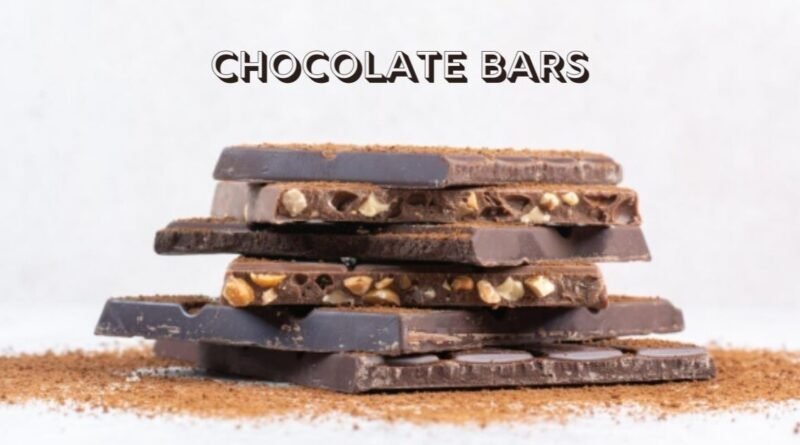
Chocolate Bars: Types, Flavors, and Buying Guide
The simple act of unwrapping chocolate bars still feels like a small celebration, no matter your age. That soft crack when you snap a square, the glossy sheen on the surface, and the slow melt on your tongue create a sensory ritual that few snacks can match. From childhood treats to artisanal creations with sea salt or caramel, these sweet slabs have evolved far beyond basic candy. Yet at their heart, they remain a comforting indulgence that fits into everyday life as easily as special occasions.
The History Behind Chocolate Bars
Chocolate did not begin as a bar. It started as a bitter beverage enjoyed by ancient civilizations in Central and South America. When cacao beans reached Europe, sugar was added, and the drink gradually transformed into a sweeter luxury item consumed by the elite.
The breakthrough came in the nineteenth century when solid forms became possible. Innovations in grinding and refining techniques allowed chocolate to be molded into stable shapes. This shift turned a drink into a portable treat that could be wrapped, sold, and shared easily.
As industrial production expanded, brands competed to create smoother textures and more balanced flavors. Milk chocolate emerged as a sweeter, creamier option, widening appeal. That transformation laid the groundwork for the endless variety we see lining store shelves today.
Will You Check This Article: Burger Toppings That Make Every Bite Better
Understanding Different Types of Chocolate Bars
The most familiar type is milk chocolate. It blends cocoa solids with milk powder and sugar, creating a creamy texture and mild flavor. This version appeals to those who prefer sweetness over bitterness and works well in desserts or simple snacking.
Dark chocolate offers a more intense experience. With higher cocoa content and less sugar, it delivers deeper, slightly bitter notes that many people associate with sophistication. The percentage listed on packaging usually indicates how strong and less sweet it will taste.
White chocolate technically contains cocoa butter but no cocoa solids. Its flavor leans heavily toward sweetness and creaminess. Though some purists debate whether it qualifies as true chocolate, it remains popular for baking and decorative treats.
Ingredients That Shape Flavor and Texture
Quality chocolate bars rely on a short list of ingredients: cocoa mass, cocoa butter, sugar, and sometimes milk. The balance among these elements determines whether the bar feels silky, crumbly, rich, or overly sweet.
Cocoa butter plays a critical role in texture. It melts just below body temperature, which creates that smooth, luxurious mouthfeel. If a bar feels waxy, it often contains added vegetable fats that replace pure cocoa butter.
Additional ingredients like nuts, caramel, fruit pieces, or sea salt can add contrast. These inclusions change not just flavor but also texture. A handful of roasted almonds can turn a simple bar into something crunchy and satisfying.
How Cocoa Percentage Affects Taste
When you see 70 percent or 85 percent printed on packaging, it refers to the proportion of cocoa solids and cocoa butter combined. Higher percentages usually mean less sugar and a more pronounced cocoa flavor.
For beginners, jumping straight to very high percentages can feel overwhelming. The bitterness may seem intense at first. Gradually increasing cocoa content helps the palate adjust and appreciate subtle notes like fruitiness or earthiness.
Lower percentages, on the other hand, taste sweeter and creamier. They appeal to a broader audience and often serve as comfort treats. Understanding these differences helps you choose bars that match your personal preference and purpose.
Chocolate Bars in Baking and Cooking
Beyond snacking, chocolate bars play a central role in the kitchen. Chopped into chunks, they create pockets of melted richness in cookies and brownies. Using a bar instead of chips often produces a more luxurious texture.
Melted chocolate also becomes the base for sauces, ganache, and glazes. The quality of the bar directly affects the final result. Higher cocoa butter content ensures smoother melting and a glossy finish.
Savory dishes can even benefit from a touch of dark chocolate. A small amount stirred into chili or sauces adds depth and complexity. The slight bitterness enhances other flavors without making the dish taste sweet.
Choosing Quality Chocolate Bars
When shopping, look at the ingredient list first. Fewer ingredients usually signal higher quality. Cocoa mass or cocoa should appear near the top, while unnecessary fillers indicate lower-grade products.
Appearance also offers clues. A good bar has a glossy surface and snaps cleanly when broken. A dull or streaky look may suggest poor storage or temperature changes that caused fat bloom.
Price can reflect quality, but not always. Some affordable options still use good ingredients. Sampling different brands helps you discover which ones balance taste, texture, and value according to your expectations.
Storage and Freshness Tips
Chocolate bars are sensitive to temperature. Heat can cause them to melt or develop white streaks from fat separation. Store them in a cool, dry place away from direct sunlight to maintain quality.
Refrigeration is sometimes necessary in warm climates, but it can introduce moisture. If you choose to refrigerate, wrap the bar tightly and allow it to return to room temperature before unwrapping. This prevents condensation from forming on the surface.
Strong odors can also affect flavor. Chocolate easily absorbs surrounding scents, so keep it away from spices or strong-smelling foods. Proper storage ensures each bite tastes as intended.
Conclusion
Chocolate bars continue to hold a special place in kitchens and pockets around the world. Their evolution from ancient cacao drinks to modern confections reflects innovation and creativity across centuries. Yet the core appeal remains simple pleasure.
With so many types, cocoa levels, and flavor combinations available, there is truly something for everyone. Whether you crave creamy sweetness or bold intensity, understanding what shapes flavor makes each purchase more satisfying.
Keeping a few good chocolate bars on hand means you are always prepared for a small moment of indulgence. Sometimes, a simple square is all it takes to turn an ordinary day into something a little brighter.
Read More: Lumerink.com
