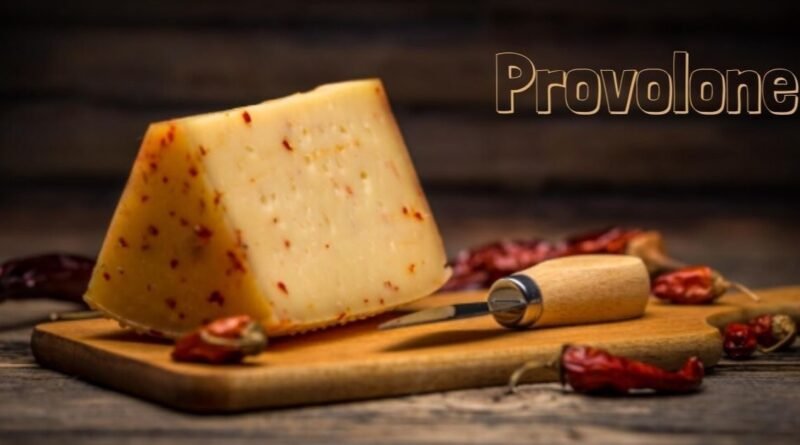
Provolone: Flavor, Uses, and Buying Guide
If you have ever bitten into a perfectly melted sandwich and wondered what gave it that smooth, slightly sharp finish, there is a good chance it was provolone. This Italian cheese has a way of blending into recipes while still making its presence known. It melts beautifully, slices cleanly, and brings a balanced flavor that feels both creamy and gently tangy. Whether layered into a sub or melted over pasta, it adds depth without overwhelming other ingredients.
The Origins and Tradition of Provolone
Provolone comes from southern Italy, where it has been made for centuries using cow’s milk and traditional pasta filata techniques. The name itself is linked to the word “prova,” meaning test, as cheesemakers historically sampled small rounds to check quality. Over time, it became a staple in Italian kitchens and later spread across Europe and the United States.
The traditional process involves stretching and kneading curds in hot water. This method gives the cheese its signature smooth, elastic texture. Once shaped, it is hung to age, often tied with rope, which creates the familiar rounded or elongated forms you might see in specialty shops.
Understanding its background helps explain its versatility. It was designed as a durable, transportable cheese that could age gracefully. That practical history is part of why it remains popular in both home kitchens and professional restaurants today.
Will You Check This Article: Maxxfour.com: What You Should Know First
Flavor Profile and Types of Provolone
Not all provolone tastes the same. Younger varieties, often labeled “dolce,” have a mild, buttery flavor with a subtle sweetness. They are soft, creamy, and perfect for melting. This version is the one most commonly found in grocery stores and sandwich counters.
Aged varieties, called “piccante,” develop a sharper, more pronounced taste. They are firmer and slightly crumbly, offering a deeper, tangier character. The aging process can last several months or even longer, which intensifies flavor and changes texture significantly.
Choosing between mild and sharp depends on how you plan to use it. If you want something that melts smoothly into sauces or over meat, mild works beautifully. If you want bold flavor in a cheese board or grated over dishes, aged provolone delivers more impact.
How Provolone Performs in Cooking
One of the reasons this cheese is so widely loved is its melting quality. It softens evenly without becoming greasy, making it ideal for hot sandwiches, baked pasta, and casseroles. When heated, it stretches gently and forms a smooth layer that enhances texture.
It also pairs exceptionally well with savory ingredients. Think roasted vegetables, grilled chicken, or cured meats. Its balanced saltiness complements rich flavors without competing with them. That harmony is what makes it a staple in Italian-American cooking.
Beyond melting, provolone can be sliced thin for cold applications. In salads or antipasto platters, it adds a creamy bite that contrasts nicely with olives, tomatoes, and crusty bread. Its adaptability keeps it in regular rotation for many home cooks.
Pairing Provolone with Other Ingredients
When building flavor combinations, provolone works best with ingredients that highlight its creamy texture. Fresh tomatoes, basil, and olive oil create a simple yet satisfying pairing that feels classic and clean. Add crusty bread, and you have an effortless lunch.
For heartier dishes, try pairing it with steak or sausage. The cheese softens the richness of the meat while adding a subtle tang. This balance prevents dishes from feeling too heavy or one-dimensional.
Wine pairings are equally flexible. A light red like Chianti complements aged varieties, while a crisp white such as Pinot Grigio pairs nicely with milder versions. The goal is to match intensity without overpowering the cheese’s natural flavor.
Buying and Storing Provolone Properly
When shopping, look for cheese that feels firm yet slightly pliable. Avoid pieces with dry edges or excessive moisture in the packaging. Freshness matters, especially if you plan to use it raw in salads or sandwiches.
If possible, buy from a deli counter rather than pre-packaged slices. Freshly cut portions tend to have better texture and flavor. You can also request thicker slices for grilling or thinner ones for layering.
At home, wrap it tightly in parchment or wax paper before placing it in an airtight container. This method allows it to breathe slightly while preventing it from drying out. Stored properly in the refrigerator, it can last several weeks.
Nutritional Value and Practical Benefits
Provolone offers a solid source of protein and calcium, both essential for muscle and bone health. A moderate serving can contribute meaningfully to daily nutrient intake without excessive calories. Like most cheeses, it should be enjoyed in balanced portions.
It also contains beneficial fats that help with satiety. Adding a slice to a sandwich can make the meal more filling, reducing the urge for extra snacks later. That practical benefit often goes unnoticed.
Sodium levels can be higher in aged varieties, so it is wise to consider overall dietary intake. Pairing it with fresh vegetables or whole grains helps maintain balance while still enjoying its rich taste.
Provolone in Everyday Meals
In daily cooking, provolone shines because it requires little effort. A simple grilled cheese sandwich becomes more flavorful with its smooth melt and mild tang. It transforms basic ingredients into something satisfying and comforting.
It also works well in meal prep. Layer slices into wraps, add cubes to salads, or melt it over roasted vegetables for quick dinners. Its reliable texture means you can count on consistent results each time.
Even breakfast benefits from a touch of this cheese. Melted over scrambled eggs or tucked into an omelet, it adds creaminess without overwhelming delicate flavors. Small additions can make ordinary meals feel thoughtfully prepared.
Conclusion
Provolone is more than just a sandwich cheese. Its history, adaptable flavor, and dependable melting qualities make it a valuable staple in any kitchen. From mild and creamy to sharp and bold, there is a version suited to nearly every recipe.
Its ability to pair with fresh produce, meats, and grains makes meal planning easier and more enjoyable. You can keep things simple or build complex flavors without worrying about imbalance. That flexibility is part of its charm.
If you are looking for a cheese that performs consistently while adding depth and comfort to meals, provolone deserves a permanent place in your refrigerator. Once you start using it regularly, it becomes hard to imagine cooking without it.
Read More: Legendbio.co.uk
