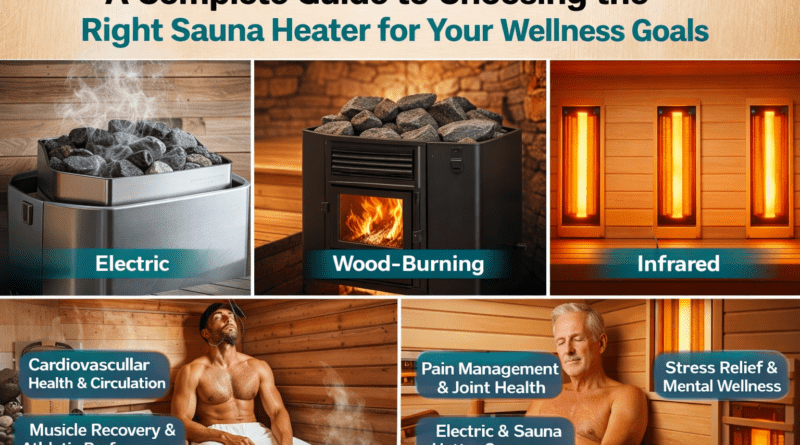
A Complete Guide to Choosing the Right Sauna Heater for Your Wellness Goals
Every sauna session is shaped by the type of heater behind it, as this single component influences heat quality, operating costs, and potential health outcomes. With so many models on the market, each designed for different purposes, finding the best option can be confusing. However, when you match heater features with your personal wellness priorities, the decision becomes simpler and helps you get the most value from your purchase.
Understanding Different Sauna Heater Types
Electric Sauna Heaters
Electric sauna heaters represent the most popular choice for home saunas, offering precise temperature control and convenient operation. These heaters warm sauna rocks that radiate heat throughout the cabin, creating the traditional dry sauna environment. Modern electric models heat up quickly, typically reaching optimal temperature within 30-45 minutes, and maintain consistent heat levels throughout the session.
The wellness benefits of electric sauna heaters center on reliability and customization. Temperature can be adjusted precisely to match individual tolerance levels and specific health goals, whether that’s gentle warmth for relaxation or intense heat for cardiovascular conditioning.
The ability to pour water over heated rocks creates steam bursts that temporarily increase humidity, adding respiratory benefits to the dry heat experience.
Wood-Burning Sauna Heaters
Wood-burning models deliver the most authentic traditional sauna experience, creating intense, enveloping heat that enthusiasts consider unmatched by electric alternatives. The radiant heat from wood fire penetrates deeply, and many users report this type of heat feels more therapeutic for muscle recovery and pain relief. The crackling fire and wood smoke aroma add sensory elements that enhance relaxation and stress reduction.
From a wellness perspective, wood-burning heaters excel at creating the high temperatures and low humidity that characterize Finnish sauna tradition. These conditions promote profuse sweating and the cardiovascular benefits associated with heat stress. However, wood-burning heaters require more attention during operation and longer heat-up times, which may not suit everyone’s wellness routine.
Infrared Heaters
Infrared heaters work in a unique way compared to traditional sauna heaters. Instead of heating the surrounding air, they emit light-based energy that penetrates the body and creates warmth from within. This creates a gentler experience at lower ambient temperatures, typically 120-140°F compared to 150-190°F in traditional saunas. The heat penetrates skin and tissue without the intense air temperature that some people find uncomfortable.
Wellness advantages of infrared heaters include:
- Better Heat Tolerance: Lower air temperatures allow longer sessions for people sensitive to extreme heat, including older adults or those with certain cardiovascular conditions. Extended sessions can mean more cumulative health benefits.
- Targeted Pain Relief: The penetrating nature of infrared wavelengths may offer superior relief for joint pain, arthritis, and chronic muscle soreness by heating tissues from within.
- Accessibility: People who struggle with traditional sauna heat can still access heat therapy benefits through infrared’s gentler approach.
- Energy Efficiency: Lower operating temperatures mean reduced energy consumption, making regular wellness sessions more sustainable and affordable.
The most important factor is that infrared saunas deliver a distinctly different experience from traditional ones, which can be significant for those who prioritize cultural sauna traditions or the high temperatures associated with specific heart health benefits.
Matching Heater Types to Wellness Goals
Cardiovascular Health and Circulation
For those prioritizing heart health and improved circulation, traditional electric or wood-burning heaters that achieve higher temperatures provide the greatest benefits. Most studies connecting sauna use with lower cardiovascular disease risk have focused on traditional Finnish saunas that operate at temperatures between 160 and 200°F. This level of heat stress creates the physiological responses — elevated heart rate, increased cardiac output, improved vascular function — that strengthen the cardiovascular system over time.
Electric sauna heaters work best for consistent cardiovascular conditioning because they maintain stable temperatures session after session. This reliability helps establish a regular routine, and consistency matters more for heart health than occasional intense sessions.
The ability to precisely control temperature allows gradual adaptation, starting at moderate heat and increasing as cardiovascular fitness improves.
Muscle Recovery and Athletic Performance
Athletes and active individuals seeking enhanced recovery often benefit most from traditional heaters that create intense, penetrating heat. The high temperatures increase blood flow to muscles, accelerate metabolite removal, and reduce inflammation following intense training. Using a sauna after workouts can help boost stamina, ease muscle discomfort, and promote faster recovery between training sessions.
Wood-burning heaters may offer advantages here due to the quality of radiant heat they produce, though electric heaters with sufficient power (typically 6-8 kW for home saunas) deliver comparable results. The key is achieving and maintaining temperatures high enough to trigger robust physiological responses. High-capacity electric models such as the HUUM Drop sauna heaters, known for their large stone capacity and consistent heat output, are well-suited for athletes who rely on reliable, high-temperature sessions for recovery.
Infrared heaters can also support recovery, particularly for those who train frequently and want longer, gentler sessions that don’t add additional cardiovascular stress.
Pain Management and Joint Health
Chronic pain sufferers, arthritis patients, and those with joint issues may find infrared heaters most beneficial. The direct tissue heating provided by infrared wavelengths reaches deeper into joints and muscles than air-heated traditional saunas. Many users report significant pain relief from infrared sessions, with benefits lasting hours or even days after treatment.
Traditional heaters also provide substantial pain relief through improved circulation and muscle relaxation. The choice often comes down to heat tolerance — those who can handle intense heat may prefer traditional saunas, while heat-sensitive individuals benefit from infrared’s gentler approach. Either way, regular sessions prove more effective than occasional use for managing chronic pain conditions.
Stress Relief and Mental Wellness
All sauna types support stress reduction and mental health through heat exposure, quiet time for reflection, and separation from daily demands. However, personal preference plays a larger role here than with physical health goals.
Some people find the intense heat of traditional saunas forces mental focus and creates a meditative state, while others find infrared’s comfort allows deeper relaxation.
Wood-burning saunas add sensory elements — the sight and sound of fire, the aroma of burning wood — that enhance the ritualistic, mindful aspects of sauna bathing.
Electric heaters offer convenience that makes regular stress-management sessions easier to maintain, which matters since consistency drives mental health benefits.
Practical Considerations Beyond Wellness Goals
Size and Power Requirements
Heater size must match sauna cabin volume for effective heating and energy efficiency. Undersized heaters struggle to reach optimal temperature, while oversized units waste energy and may create uncomfortably intense heat. In most cases, electric sauna heaters require about 1 kW of power for every 50 cubic feet of space, although factors like insulation efficiency and ceiling height can affect this estimate.
Electrical requirements matter significantly. Most residential electric heaters require 240V circuits, and larger units may need 30-50 amp circuits that require professional electrical work. Checking existing electrical capacity before selecting a heater prevents costly surprises during installation.
Installation and Maintenance
Electric heaters offer the simplest installation and lowest maintenance. Once professionally wired, they operate reliably for years with minimal attention beyond occasionally rearranging sauna rocks for even heating. This simplicity supports wellness goals by removing barriers to regular use — the easier the sauna is to operate, the more likely it becomes a consistent wellness practice.
Wood-burning heaters require chimney installation, regular cleaning, fuel storage, and active management during operation. This additional effort appeals to traditionalists but may hinder regular use for busy individuals.
Infrared heaters fall between these extremes, requiring basic electrical work but no ongoing maintenance beyond occasional panel inspection.
Cost Considerations
Budget impacts heater selection, though viewing the purchase as a long-term wellness investment helps justify quality options. Basic electric sauna heaters designed for home use usually cost around $200, whereas professional-grade commercial models can exceed $1,500. Wood-burning heaters cost $500-$3,000 depending on size and quality, plus chimney installation expenses. Infrared systems generally cost between $300 and $2,000, depending on the model and features.
Running costs are also an important factor in maintaining a long-term wellness routine. Traditional electric heaters usually use more energy, leading to higher operating expenses, while infrared systems tend to be more efficient and cost less to run because of their lower power needs.
Reputable suppliers like SaunaHeaters.com offer guidance on matching heater specifications to specific sauna dimensions and wellness objectives, helping ensure the chosen heater delivers optimal performance for intended health goals.
Final Thoughts
The right sauna heater aligns with primary wellness goals while fitting practical constraints of space, budget, and lifestyle. Those prioritizing cardiovascular health should consider traditional electric heaters that reliably create the high-heat environment studied in clinical research. Athletes and active individuals benefit from the intense heat of traditional heaters, whether electric for convenience or wood-burning for authentic radiant heat.
People managing chronic pain, heat-sensitive individuals, or those wanting longer, gentler sessions find infrared heaters most suitable. For wellness routines emphasizing stress relief, the choice becomes more personal — traditional wood-burning for ritualistic practice, electric for convenient regularity, or infrared for comfort-focused relaxation.
Ultimately, the best sauna heater is the one that encourages consistent use. A moderately-priced sauna heater used four times weekly delivers far greater wellness benefits than a premium model used occasionally. Consider which type fits most naturally into existing routines, supports primary health goals, and creates an experience that feels personally rewarding. That sauna heater becomes the foundation for a sustainable wellness practice that delivers benefits for years to come.
Author Bio
John Funk is the YouTube lead and resident sauna enthusiast at SaunaHeaters.com. He creates educational videos and written guides covering sauna health benefits, proper installation, ventilation, and best practices. His goal is to make sauna ownership simple, safe, and approachable through clear, practical guidance.